




The Allure of Casino Environment
The ambiance of a casino is meticulously crafted to entice patrons and immerse them in a thrilling experience. Bright lights, engaging sounds, and vibrant décor create a sensory overload that can heighten excitement and anticipation. As players walk through the doors, they are often enveloped in an environment designed to stimulate the pleasure centers of the brain, where they might encounter various canadian betting sites that add to the allure of gambling. This carefully controlled atmosphere plays a pivotal role in drawing individuals into the world of gambling. The mix of sensory inputs can lead to emotional highs, encouraging players to stay longer and partake in more games.
The psychological impact of this environment cannot be overstated. Casinos often employ psychological principles, such as variable reinforcement, which keeps players engaged. When individuals do win, the dopamine released in the brain creates feelings of pleasure that reinforce their gambling behavior. This reward system can create a cycle where players chase the high of winning, leading them to gamble more frequently. Additionally, the removal of clocks and windows creates a sense of timelessness, making it easy for players to lose track of time and overspend without realizing it.
Moreover, the use of colors and sounds within a casino is scientifically formulated to evoke emotional responses that favor extended gambling. The flashing lights and celebratory sounds of a big win are designed not only to register the victory but also to amplify the feeling of success. This sensory stimulation can potentially override rational thought, making players more susceptible to impulsive decisions. As a result, the carefully engineered casino environment becomes a critical factor in the psychology behind gambling, often leading to increased expenditure and time spent within the establishment.
The Role of Risk and Reward
The fundamental nature of gambling lies in its inherent risk-reward balance. The thrill of potentially winning a large sum of money often outweighs the fear of losing, resulting in a compelling draw for many individuals. This paradox is deeply rooted in human psychology. Players frequently engage in a mental balancing act, weighing their chances of success against the reality of potential losses. This dynamic creates a unique tension that can encourage continued gambling, even when logic suggests otherwise.
Furthermore, the concept of loss aversion is critical in understanding why players continue to gamble despite losses. Research shows that the emotional pain of losing is more profound than the pleasure derived from winning. Even small wins after a series of losses can trigger a sense of relief, motivating players to continue investing in hopes of recouping their losses. This pattern often leads to a cycle of gambling behavior where players are compelled to chase their losses, driven by the hope of achieving a big win.
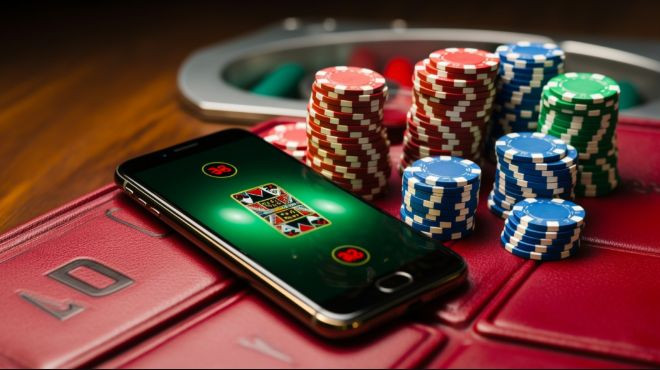
Players often develop cognitive distortions related to betting, such as the illusion of control, where they believe their skill can influence outcomes in games of chance. This belief can further fuel gambling activities, as individuals may feel empowered to take risks. The blend of psychological factors, combined with inherent human emotions, creates a profound allure for gamblers. Understanding this complex interplay between risk and reward can shed light on why so many are drawn to the excitement of casino gambling.
The Social Aspect of Gambling
Casinos are not just places for individual play; they also serve as social hubs where people gather and interact. The shared experience of gambling can create bonds between players, making the activity more enjoyable and impactful. The social dynamics at play can enhance the excitement of gambling, as players often feed off each other’s energy. This environment can foster camaraderie, making people more likely to engage in gambling sessions with friends or even strangers.
Moreover, the introduction of social networks and online platforms has expanded the ways in which people engage in gambling. Online casinos and gaming platforms allow individuals to connect with others, share experiences, and even compete against one another, thereby enhancing the social aspect of gambling. This social interaction can make the gambling experience more appealing, as players seek not only financial rewards but also validation and connection with others. The social factor can significantly influence a person’s decision to gamble, reflecting a deep-rooted desire for community and shared thrills.
However, the social reinforcement that comes from group gambling can sometimes lead to negative consequences. The normalization of gambling within social circles can downplay the potential risks associated with excessive gambling. Peer pressure, whether overt or subtle, can encourage individuals to gamble beyond their limits, further complicating addiction issues. Therefore, while the social aspect of gambling can enhance enjoyment, it can also contribute to harmful behaviors that can lead to gambling addiction and financial distress.
The Impact of Gambling Addiction
Gambling addiction is a serious psychological condition that can devastate individuals and their families. It is characterized by an uncontrollable urge to continue gambling, even in the face of negative consequences. The symptoms often manifest as financial issues, strained relationships, and emotional distress. This condition can be exacerbated by the psychological mechanisms discussed earlier, such as the thrill of winning and the social reinforcement of gambling behaviors.

The progression of gambling addiction can follow a pattern similar to other forms of addiction, where the individual increasingly relies on gambling as a coping mechanism for stress or anxiety. The initial excitement may give way to a compulsive need to gamble, leading to a clash with responsibilities and relationships. This downward spiral can be difficult to escape, as the individual may feel shame and isolation, further perpetuating their gambling behavior.
Treatment for gambling addiction can be challenging but is essential for recovery. Therapeutic interventions often focus on cognitive-behavioral strategies to help individuals recognize and change the thought patterns that contribute to their gambling behavior. Support groups can also provide essential social support, allowing individuals to connect with others facing similar struggles. Addressing gambling addiction requires a holistic approach that considers both psychological and social factors, promoting recovery and healthier coping strategies.
Understanding Your Gambling Habits
For those who engage in gambling, understanding one’s own habits is crucial for maintaining healthy behavior. Self-awareness can empower individuals to recognize the signs of problematic gambling patterns. Monitoring one’s gambling activity, including time spent and money lost, can help facilitate reflection on whether the behavior is still enjoyable or if it has crossed into unhealthy territory. By developing a better understanding of personal gambling habits, individuals can make informed decisions about their participation.
Furthermore, setting limits can be an effective strategy for maintaining control over gambling activities. Whether it’s setting a financial budget or time constraints, having clear boundaries can prevent compulsive behavior and protect against potential losses. Understanding triggers—situations or emotions that lead to the desire to gamble—can also play a vital role in developing strategies to stay within safe limits. By proactively managing their gambling habits, individuals can enjoy the amusement of gambling while mitigating the risks associated with addictive behavior.
Educational resources and support networks can also play a significant role in promoting responsible gambling. Many organizations provide information on recognizing and combating gambling addiction. By fostering environments where individuals can discuss their behaviors openly, society can reduce stigma and encourage healthier attitudes towards gambling. Understanding personal habits, in conjunction with external resources, can contribute to a balanced and enjoyable gambling experience.