




The Allure of Chance
The thrill of uncertainty is a major attraction for many individuals who engage with casino games. The idea that one can experience a life-changing moment with a single spin, card draw, or roll of dice taps into human psychology’s fascination with risk and reward. This blend of hope and unpredictability creates a dopamine rush, leading players to chase the elusive jackpot, especially when exploring sports betting sites canada that offer various exciting options. The anticipation builds a suspenseful atmosphere, where every moment feels laden with potential, keeping players engaged and often leading to prolonged play sessions.
This allure of chance is not limited to the games themselves but also the environments in which they are played. Casinos are designed to maximize this psychological engagement, utilizing bright lights, sounds, and even scents to stimulate the senses and create a captivating experience. The constant reinforcement of positive outcomes, even if they are rare, encourages players to return, believing that they too could beat the odds. This cyclical process is a testament to how powerful the human inclination towards risk can be.
Moreover, this psychological phenomenon is exemplified by the concept of the “near miss.” Players often feel a surge of excitement when they come close to winning but do not quite succeed. This sensation can be misleading, as it essentially tricks the brain into believing that a win is just around the corner. The near miss effect serves to motivate continued play, as players feel that success may be just one more round away, leading them deeper into the experience.
The Social Dynamics of Gambling
Casinos are not merely places of solitary play; they are social hubs where interactions significantly influence gambling behavior. The psychology of group dynamics plays a critical role in enhancing the gaming experience. When players are surrounded by others, the communal atmosphere can amplify excitement and drive engagement. This phenomenon illustrates the innate human desire for social connection, especially in high-stakes situations where emotions run high.
Group gambling experiences, such as at poker tables, can foster a unique sense of camaraderie among participants. Playing against others introduces an element of competition, which can evoke strong emotional responses and heighten the thrill of the game. Players often feed off each other’s energy, which can lead to increased betting and a strong sense of belonging. This social reinforcement can create a more enjoyable experience, resulting in longer playtimes and a deeper psychological investment in the outcome.
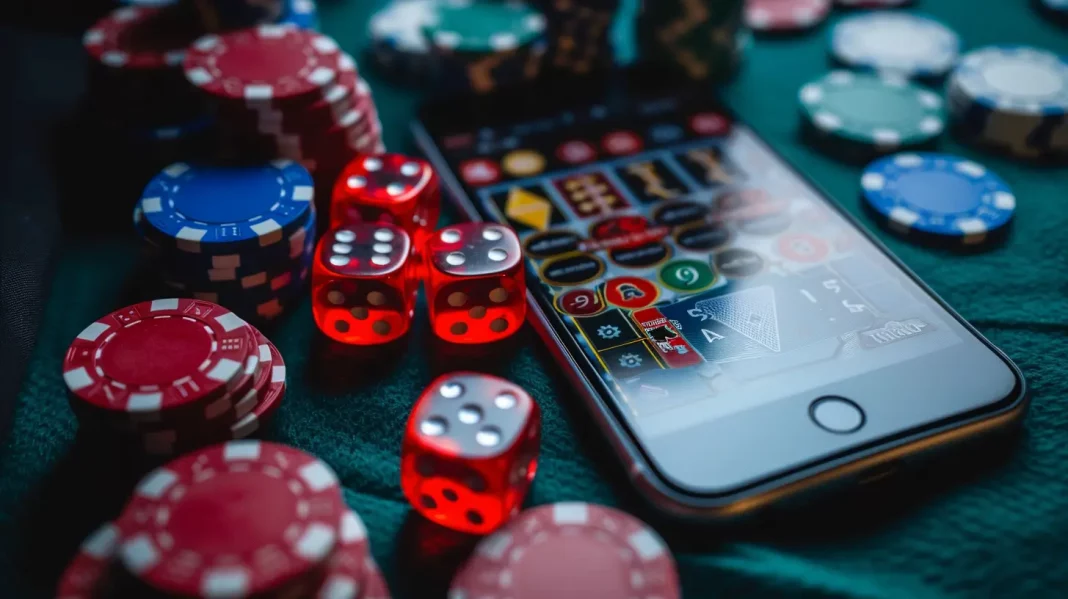
Additionally, the role of dealers and casino staff cannot be overlooked in this social context. Their involvement often helps create an inviting and immersive environment. Friendly interactions can enhance players’ overall experiences and encourage them to return. This hospitality reflects the importance of the social aspect in gambling psychology, where human connections may often outweigh the allure of the games themselves, making the casino experience more holistic and fulfilling.
The Role of Cognitive Biases in Gambling
Cognitive biases significantly impact decision-making processes within the context of gambling. One prevalent bias is the “gambler’s fallacy,” where individuals believe that past outcomes can influence future results. For example, a player might think that after a series of losses, a win is due, leading them to increase their bets or change their strategies. This faulty reasoning illustrates how cognitive biases can distort perceptions of probability, influencing how players approach their games.
Another common cognitive bias in gambling is “confirmation bias,” where players focus on information that supports their beliefs while disregarding opposing evidence. A player who believes they have a lucky streak may pay more attention to their wins and ignore their losses, creating an illusion of success. This selective focus can perpetuate continued gambling, as players hold onto these misconceptions about their abilities and luck. Understanding these biases is crucial for both players and researchers in assessing behavior within gambling contexts.
Moreover, reinforcement schedules play a vital role in maintaining gambling behavior. Games that offer intermittent reinforcement, where wins are unpredictable, can lead to compulsive behaviors. This unpredictability mirrors the mechanisms found in addiction, where the brain’s reward system is stimulated with each win—however minor. The interplay of cognitive biases and reinforcement schedules illuminates the complex psychological landscape that drives many to engage with casino games, often against their better judgment.
Emotional Engagement and Escapism
The emotions experienced in casino environments extend beyond mere excitement; they often touch on deeper psychological needs, such as the desire for escape from daily life. Many individuals turn to gambling as a form of escapism, seeking relief from stress, anxiety, or other personal issues. The immersive nature of gaming, combined with the thrill of potential wins, provides a temporary refuge, allowing players to disconnect from reality. This emotional engagement can lead to a powerful attachment to gaming as a coping mechanism.
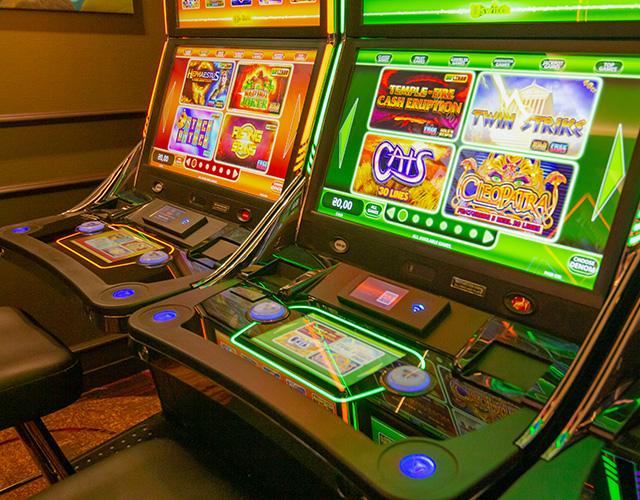
While the initial experience may offer a sense of thrill and excitement, this pursuit of escapism can evolve into a problematic relationship with gambling. As individuals seek to prolong those feelings, they may find themselves increasingly drawn into the casino environment, often spending more time and money than initially intended. This aspect of emotional engagement highlights the delicate balance between enjoyment and potential addiction, necessitating awareness and responsible gaming practices.
Furthermore, the cyclical nature of emotions in gambling—where wins lead to joy and losses can trigger frustration—creates a rollercoaster of feelings. This emotional volatility can intensify the overall experience, drawing players into a compelling cycle of highs and lows. Understanding this emotional landscape is essential for recognizing how engaging with casino games can fulfill complex psychological needs while also posing risks to mental well-being.
Understanding Casino Culture and Its Implications
The atmosphere and culture surrounding casinos significantly shape how individuals perceive and engage with gambling. Casinos are often portrayed in popular media as glamorous and exciting places, reinforcing a cultural narrative that glamorizes gambling. This perception can influence potential players, drawing them into environments that may not fully disclose the risks associated with gambling, thus perpetuating cycles of behavior that can lead to financial and emotional distress.
Additionally, casino marketing strategies often play on psychological triggers, employing tactics such as loyalty programs and promotional events. These strategies foster a sense of investment among players and encourage repeat visits. By creating an environment where the thrill of winning is intertwined with social interactions and personal branding, casinos cultivate a culture of engagement that can lead to habitual gambling practices.
Understanding the implications of this culture goes beyond individual behavior; it also highlights the need for responsible marketing in the gaming industry. The ethical considerations surrounding how casinos portray their offerings and engage potential customers are essential for promoting healthier gambling practices. As society becomes more aware of the psychological aspects of gambling, both players and operators can work together to create a more informed and responsible casino culture.